AQA GCSE INSET 2: Dynamics and force at Richard Lander School

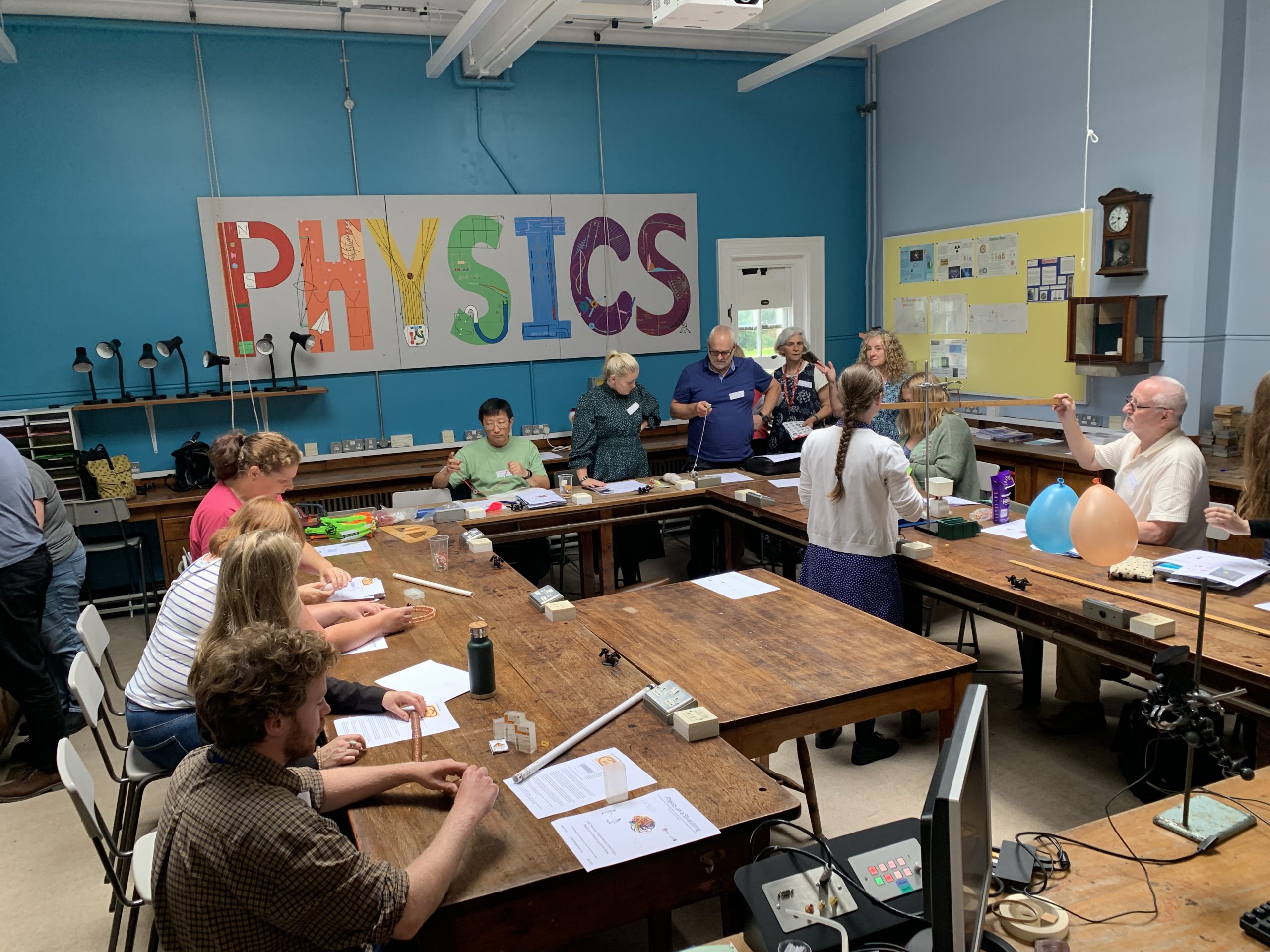
Following on from the successful launch at Truro School, the Cornwall Physics Education Partnership, supported by The Ogden Trust, held its second teacher workshop on 5 December at Richard Lander School, Truro. Delegates from five local schools attended: Camborne Science and International Academy, Falmouth School, Richard Lander School, Truro School and Wadebridge School.

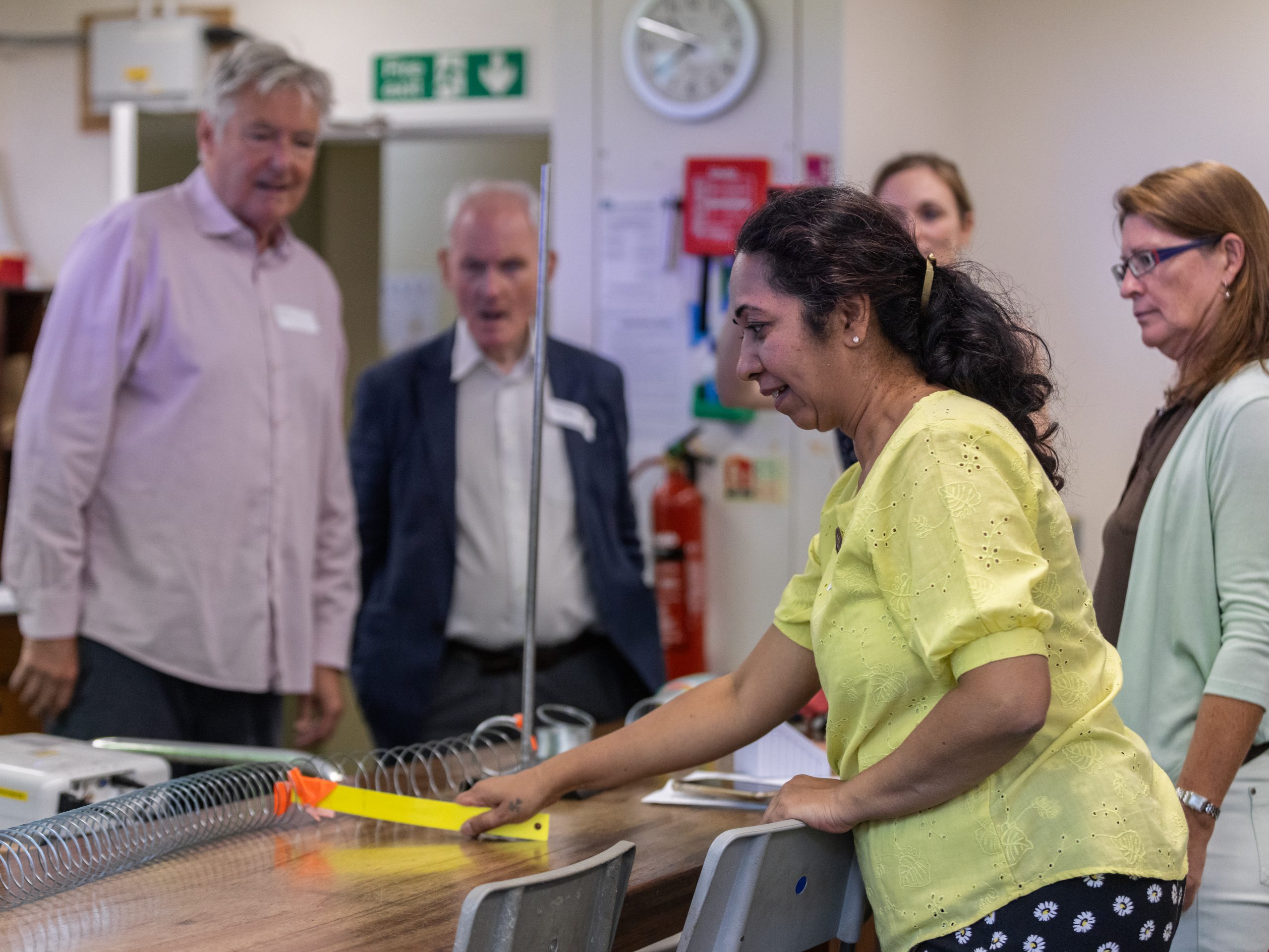
Led by Ben Lloyd-King (Physics teacher and greenpower car coordinator at Richard Lander) teachers tackled the required dynamics practical work from the new GCSE specifications.

Practicals

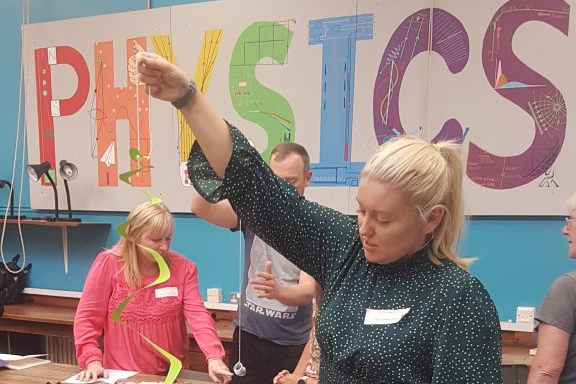
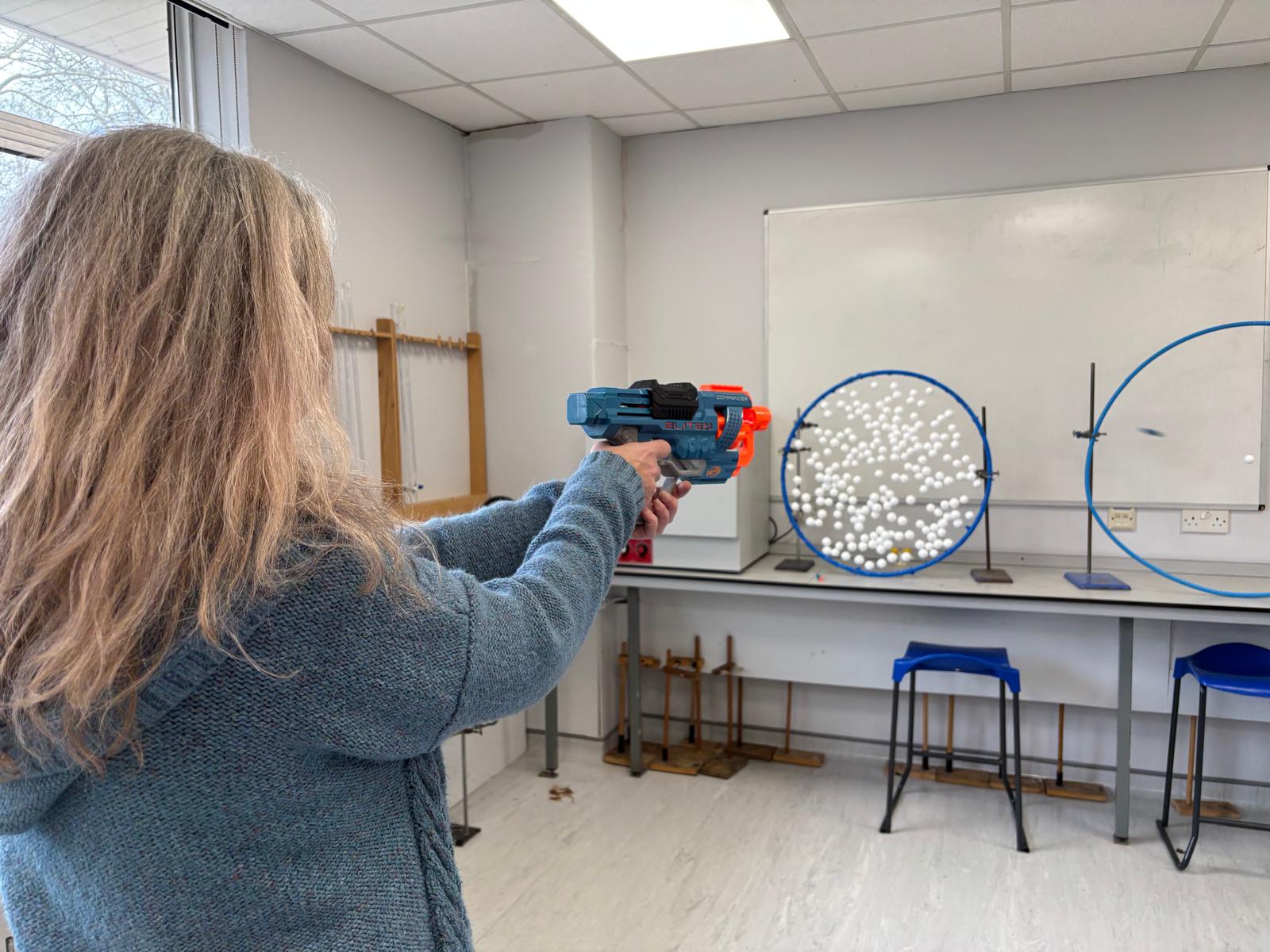
We have found it best to pair teachers from different schools to help provoke further discussion and sharing of ideas when testing out the practicals. The practicals on acceleration of trolleys, stretching of springs and measuring of density seemed simple enough, but the experience of trying to set them up showed the important thinking skills required. It was a challenging and enriching experience evaluating the practical arrangements and discussing how to improve the quality of data and create alternative arrangements.

Replicating such discussions with pupils would be a very good way of ensuring pupils cover the whole range of Bloom’s taxonomy. The new GCSE theory papers will cover questions on the standard practicals, including methods of analysing results and ways of improving reliability, precision and accuracy of the recorded data. The workshop teachers began to trouble-shoot the types of questions that might be asked.

Measuring the density of sand

Measuring the density of sand proved a little tricky and is well worth using with pupils when it comes around to measuring the density of irregular objects. This simple practical is one of the standards required for the AQA GCSE.

Pupils may well have completed this work earlier in Key Stage 3 and as such may view it as rather trivial. However, while they may be familiar with the water displacement method, asking them to find the density of sand may prove to be quite challenging; it would be worth asking them to estimate how much of the apparent volume of sand in a measuring cylinder is air before attempting the required measurements. Be prepared to let the pupils have time to repeat their attempts.

Download the full report.

Nick Fisher
Deputy Headmaster Truro School

Privacy Overview

This website uses cookies so that we can provide you with the best user experience possible. Cookie information is stored in your browser and performs functions such as recognising you when you return to our website and helping our team to understand which sections of the website you find most interesting and useful.

Strictly Necessary Cookies

Strictly Necessary Cookie should be enabled at all times so that we can save your preferences for cookie settings.

3rd Party Cookies

This website uses analytics cookies to collect anonymous information such as the number of visitors to the site, and the most popular pages.

Keeping this cookie enabled helps us to improve our website.